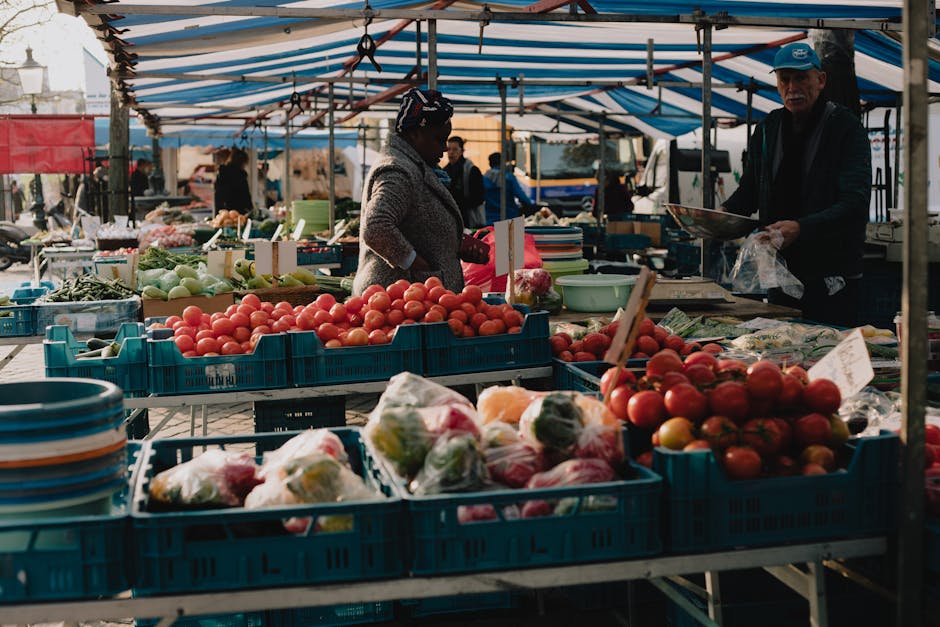
Seven Sisters Market refuse rules for stallholders in Haringey
If you trade at Seven Sisters Market, refuse is not just a back-of-stall nuisance. It affects safety, customer experience, your relationship with market managers, and whether the pitch runs smoothly by the end of the day. The practical side of Seven Sisters Market refuse rules for stallholders in Haringey is simple enough in principle, but in real life it can get messy fast: cardboard piling up near a busy walkway, food packaging blowing around, a broken crate sitting in the wrong place, or a last-minute clear-up after a long trading session.
This guide breaks down what stallholders usually need to think about, how refuse handling typically works in a market environment, and how to avoid the small mistakes that become annoying problems later. You'll also find a checklist, a comparison table, and some plain-English advice for keeping your stall tidy, compliant, and easy to manage. To be fair, that last part matters more than people sometimes admit.
For stallholders who also manage storage, stock rotation, or end-of-day clear-outs, it can help to understand broader waste handling options too. If you need support beyond the stall itself, take a look at business waste removal in Haringey or the company's general waste removal service for larger, mixed, or awkward loads.
Table of Contents
- Why Seven Sisters Market refuse rules for stallholders in Haringey Matters
- How Seven Sisters Market refuse rules for stallholders in Haringey Works
- Key Benefits and Practical Advantages
- Who This Is For and When It Makes Sense
- Step-by-Step Guidance
- Expert Tips for Better Results
- Common Mistakes to Avoid
- Tools, Resources and Recommendations
- Law, Compliance, Standards, or Best Practice
- Options, Methods, or Comparison Table
- Case Study or Real-World Example
- Practical Checklist
- Conclusion
- Frequently Asked Questions
Why Seven Sisters Market refuse rules for stallholders in Haringey Matters
Refuse rules exist for a reason, and at a market that reason is easy to see. You have narrow routes, shared access, busy trading hours, and a constant flow of people carrying bags, boxes, food, or stock. If waste is left in the wrong place, the whole area can feel cramped and unsafe very quickly. One loose bin bag on a damp morning can become a slip hazard before lunchtime. A stack of broken boxes can block a neighbour. A spill from food waste can turn into a smell nobody wants on a warm afternoon.
That is the everyday reality behind market refuse rules. They protect the people working there, the customers walking through, and the stallholder's own business reputation. A tidy pitch tends to look more professional, which sounds obvious, but it genuinely affects whether people stop, browse, and buy. Nobody wants to shop beside a growing heap of waste.
There is also a practical financial angle. Poor refuse handling can lead to extra clean-up time, nuisance complaints, and avoidable disposal costs. Once waste gets mixed up, it is often harder and more expensive to deal with. That is one reason many traders build a routine around sorting, bagging, and removing waste throughout the day instead of leaving it all until closing time.
Expert summary: Good refuse handling at Seven Sisters Market is not just about tidiness. It is about safe movement, neighbour relations, customer confidence, and keeping the trading day under control without last-minute panic.
If your stall creates regular cardboard, packaging, or stock offcuts, it may also be worth reviewing recycling and sustainability guidance so you can separate reusable or recyclable materials more sensibly. In a busy market setting, a simple system saves more time than a complicated one ever will.
How Seven Sisters Market refuse rules for stallholders in Haringey Works
Every market has its own operating rhythm, but refuse rules usually follow a few common principles. Stallholders are generally expected to keep their pitch clear, contain waste properly, and remove or place refuse only in the designated areas or collection points. That means no casual dumping behind a stall, no blocking shared walkways, and no leaving awkward items where delivery staff or cleaners have to work around them.
In practical terms, this often means sorting your waste as you go. Cardboard is kept separate from food waste. Plastic wrap and film are bundled neatly rather than shoved into a black bag that tears later. Broken packaging is flattened. Liquid waste is handled carefully. And any bulky items, such as damaged display materials or old stock containers, are moved out of the way quickly.
Market managers may also set timing expectations. In many trading environments, you'll be asked to clear refuse before leaving for the day, and not to place waste out too early where it can clutter the site. That timing matters more than people think. Early waste can attract pests, get in the way of customers, and spread around the site when the weather turns windy. We all know how a bit of paper somehow ends up halfway down the street.
Where waste is too bulky or too mixed for normal stall handling, many traders use an external clearance option. For example, a trader who closes for a refurb or clears out old shelving may need office clearance support if the stall setup includes desks, storage units, or back-office equipment. For larger household-style clear-outs linked to a trading property or storage space, house clearance or flat clearance might be more suitable.
Typical refuse flow at a market stall
- Waste is separated during trading, not at the end.
- Recyclable packaging is flattened or bundled where possible.
- Food waste is kept contained and sealed.
- Bulky items are moved to the correct collection point or removed off-site.
- The pitch is left clear, swept, and ready for the next trader or opening time.
Key Benefits and Practical Advantages
Following refuse rules is one of those unglamorous habits that pays off quietly. The benefits are real, and you usually feel them before you can clearly explain them. The stall looks better. The space feels calmer. Staff are not stepping around awkward bags. Customers are not side-stepping mystery puddles. All small things, yes, but they add up.
- Cleaner presentation: a tidy pitch makes stock look more attractive and easier to browse.
- Safer working space: less clutter means fewer trip hazards and better movement behind the stall.
- Better waste control: separating materials early avoids unnecessary mixing and wasted disposal effort.
- Faster pack-down: when the system is clear, closing time is less chaotic.
- Better relationships: traders, managers, and nearby stalls appreciate a team player.
- Reduced odour and pests: especially important for food-adjacent stalls or warm-weather trading.
There is also a subtle business benefit. Clean stall operations signal professionalism. Shoppers may not consciously note the refuse system, but they notice the feeling of a well-run market. That can make a difference in repeat custom, especially for people who prefer organised, easy-to-shop environments.
If waste handling is part of a wider business tidy-up, you may also benefit from looking at commercial waste collection options and even pricing and quotes so you know what level of support makes sense. Not every stall needs the same service, and that is fine.
Who This Is For and When It Makes Sense
This guidance is useful for a wide mix of market traders. If you sell produce, clothing, household goods, toys, books, crafts, prepared food, or mixed goods, you are likely dealing with packaging, offcuts, damaged stock, or general trading waste. If you run a stall with a back storage area, there's probably even more to think about than meets the eye.
It also makes sense for:
- new stallholders who have not yet built a waste routine
- existing traders struggling with end-of-day clutter
- food sellers handling packaging, food scraps, and cleaning materials
- seasonal traders with temporary stock spikes
- stallholders sharing storage, access, or loading areas
- market businesses preparing for a clearance, refit, or change of use
Sometimes the need becomes obvious after a particular day goes wrong. Maybe a van is late, it starts raining, and the cardboard gets soggy. Or perhaps you have one of those mornings where deliveries arrive all at once and suddenly your pitch looks like a depot. Happens to the best of us. That is usually when a more structured approach starts to look less like admin and more like sanity.
For traders with additional premises, the same mindset can help elsewhere too. A stockroom overfilled with old fittings may need loft clearance, while retail back areas and larger workspaces may benefit from furniture disposal or furniture clearance if worn display items are taking up space.
Step-by-Step Guidance
If you want a simple working system, keep it practical. Fancy systems tend to collapse on a busy Saturday. A straightforward routine is easier to remember, easier to train staff on, and easier to keep consistent when the market gets busy.
1. Know what kind of waste you create most often
Start by listing the usual waste types from your stall. For many traders, the answer is cardboard, plastics, wrapping, damaged items, paper labels, food waste, or broken display materials. Once you know the pattern, you can plan bins and bags accordingly.
2. Put the right containers in the right place
Keep containers close to the point where waste is created. If your packing area is five steps from the nearest bag, people will leave things on the counter instead. And then the counter fills up. It's predictable, really.
3. Separate recyclable and non-recyclable material early
Flatten cardboard, bundle film where possible, and keep food waste sealed. Even a small separation habit makes the final clear-up easier. If you share a stall, make sure everyone uses the same method. Mixed habits create mixed waste.
4. Keep walkways and customer areas clear
Refuse should not spill into the route customers use. A tidy boundary around the pitch helps with safety and keeps the stall feeling open rather than cramped. If something must wait for collection, place it where it will not block movement or draw attention in a bad way.
5. Clear away waste before the end-of-day rush
Do not leave everything for the last ten minutes. Once packing begins, rubbish gets awkward to manage. Boxes get torn. Bags get overfilled. Someone ends up holding a sticky item while trying to lock a till. Better to chip away at it gradually.
6. Check the site's instructions and your own records
Keep a simple note of what is expected for your pitch. If management gives guidance on collection points, timing, or prohibited items, follow it carefully. If you are ever unsure, ask rather than guessing. It saves hassle later.
7. Arrange extra help when the load is bigger than usual
If you are clearing old equipment, broken stock, or a full stall's worth of worn materials, a one-off waste collection can be far more efficient than trying to do it in bits and pieces. For heavier clearance jobs, services such as waste removal or builders waste clearance may be relevant if the items include renovation debris, fittings, or packaging from a refit.
Expert Tips for Better Results
Once the basics are in place, the next step is making the process easier on yourself. The best refuse routines are not the cleverest ones; they are the ones people will actually follow when the stall is busy, noisy, and slightly too warm under the lights.
- Use colour-coded bags or labels so staff know where everything goes at a glance.
- Fold, flatten, and stack before waste grows into an untidy pile.
- Train temporary staff with one simple rule sheet rather than a long explanation.
- Keep a spare supply of bags and ties because they always run out at the wrong time.
- Separate wet and dry waste where possible to avoid leaks and smells.
- Review your waste pattern monthly during busier periods, especially around seasonal trading spikes.
- Think about storage as well as disposal so you do not keep old fixtures or packaging longer than needed.
A practical trick many traders use is to build a five-minute clear-down into the trading day, not just the end of it. It sounds small, but it prevents the stall from becoming unmanageable. A bit of tidying at 2 p.m. can save a frantic mess at closing time.
If you have a back room, shared unit, or prep area, it may also be useful to organise home clearance-style decluttering thinking into the business space as well. Oddly enough, the same principles work: remove what you do not need, keep what you do, and stop old clutter from setting the tone.
Common Mistakes to Avoid
Refuse handling problems usually come from routine, not rebellion. People are busy, the stall is full, and the quickest option feels easiest in the moment. The issue is that the quick option often becomes a bigger issue by lunch.
- Leaving waste behind the stall: it looks hidden, but it is still in the way and can spread.
- Mixing all waste together: this makes disposal harder and can reduce recycling options.
- Overfilling bags: they split, leak, or are impossible to move safely.
- Blocking shared access routes: this creates friction with neighbours and can be a safety issue.
- Waiting until the end to sort everything: this usually leads to rushed mistakes.
- Ignoring seasonal changes: warmer weather, wind, or rain can quickly change what works.
- Assuming someone else will clear it: market waste is a shared environment, but responsibility is still local to the stallholder.
One very ordinary but very common problem is the "I'll deal with that later" pile. Later arrives, and the pile is three times the size. It's almost a law of nature. Better to treat waste as part of trading, not a separate admin job.
Tools, Resources and Recommendations
You do not need a complicated setup, but the right tools make refuse handling calmer and cleaner. The aim is to reduce friction. When a system feels easy, people stick to it.
| Tool or resource | Why it helps | Best for |
|---|---|---|
| Heavy-duty refuse sacks | Less tearing and fewer spillages | Busy stalls, mixed packaging, food-adjacent waste |
| Flattening board or box cutter | Speeds up cardboard breakdown | Retail stalls, deliveries, display packaging |
| Colour-coded bins | Makes sorting obvious at a glance | Shared stalls and team-run pitches |
| Labelled storage crates | Keeps reusable stock separate from waste | Seasonal or multi-product traders |
| Scheduled clearance support | Handles bulky or one-off loads | Refits, end-of-season clear-outs, stock changes |
For traders seeking a steadier support system, the company's health and safety policy and insurance and safety information are useful pages to review before booking any clearance support. They help set expectations about how work is carried out and what standards matter.
If your stall or trading unit also involves storage of business records, packaging, or occasional paperwork, the wider company guidance on about us can help you understand the service approach before making contact. And if you just want to ask a question, the contact us page is the sensible next stop. Straightforward, really.
Law, Compliance, Standards, or Best Practice
For stallholders, compliance is usually a mix of market rules, environmental expectations, health and safety duties, and common sense. The exact refuse rules for Seven Sisters Market should always be checked against the current site instructions or your trader agreement, because operational details can change. That is the honest answer. It would be wrong to pretend every market works from the same rulebook.
In the UK, traders are generally expected to manage waste responsibly, avoid fly-tipping, keep shared areas clear, and prevent nuisance or hazards. If you are storing or moving waste from a trading pitch, you should also pay attention to segregation, container safety, and any instructions relating to food waste, recyclables, or bulky items. If a particular material is restricted, treat that seriously and ask for clarification before you act.
Good practice usually includes:
- keeping the pitch tidy throughout trading hours
- not placing waste in unauthorised areas
- using secure bags or containers that will not leak
- avoiding obstruction of access routes
- separating recyclables where possible
- booking proper clearance for bulky or unusual waste
In some cases, a trader may need more than ordinary refuse handling, especially after replacing fixtures, clearing storage, or closing a unit. That is when a service like garage clearance may be useful for overflow storage areas, or furniture clearance if old counters, chairs, or display items need removing. For larger mixed loads, recycling and sustainability guidance is a strong place to start.
Options, Methods, or Comparison Table
There is no one-size-fits-all method for refuse management at a market stall. The right choice depends on how much waste you create, what type it is, and how often you need it removed. A quick comparison helps make the trade-offs clearer.
| Method | Best for | Pros | Limitations |
|---|---|---|---|
| On-stall sorting and daily removal | Low to moderate waste volumes | Cheap, simple, easy to control | Needs discipline and space |
| Shared market disposal point | Stalls with agreed site collections | Convenient, coordinated, predictable | Must follow timing and access rules |
| Scheduled external waste collection | Regular bulky or mixed waste | Saves time, handles bigger volumes | Requires booking and coordination |
| One-off clearance after a refit | Stockroom changes, end-of-season cleanouts | Fast reset, removes awkward items | Not suitable for ongoing daily waste |
If your issue is mostly recurring bags and packaging, on-stall sorting plus a reliable collection routine may be enough. If you are dealing with old counters, stock fixtures, or the kind of clutter that needs a van and a plan, external support is often the calmer option. In our experience, that's the point where people stop battling the problem and actually fix it.
Case Study or Real-World Example
Consider a small trader at Seven Sisters Market selling homeware and seasonal gifts. On paper, the waste seems manageable: cardboard from deliveries, plastic wrap, broken display packaging, and the odd damaged item. But over a busy week, the stockroom starts collecting surplus boxes, old shelving pieces, and awkward bits of packaging that do not fit neatly into normal bins.
At first, the trader leaves things in a corner "for later". Then a delivery arrives earlier than expected, and the useful space gets swallowed by waste. The stall still looks fine from the front, but the back area becomes harder to work in. Staff spend time moving things around instead of serving customers. One box tears. A bag splits. Small problem, then another small problem, and suddenly the tidy little system is not tidy anymore.
The fix is not dramatic. The trader sets up a clear packing station, separates cardboard from general waste, labels a reclaim pile for reusable stock materials, and books a one-off clearance for the old display items. By the next market day, the pitch feels lighter. Less clutter. Less stress. Better rhythm.
That sort of reset is often what makes waste rules feel worthwhile. Not because they are exciting. Far from it. Because they give you back control.
Practical Checklist
Use this checklist before opening, during trading, and at pack-down. It is simple on purpose.
- Have you checked the current refuse instructions for the market?
- Are bins, bags, and containers in place before trading starts?
- Is waste being sorted as it is created?
- Are cardboard and packaging flattened where possible?
- Are food scraps and liquids contained safely?
- Are walkways and customer areas clear?
- Is waste stored only in approved locations?
- Have staff been shown the agreed waste routine?
- Are any bulky or unusual items set aside for separate removal?
- Is the stall left clean and ready for the next trading period?
Quick self-check: if someone new walked behind your stall right now, would they immediately understand what is waste, what is stock, and what is reusable? If the answer is no, the system probably needs a tidy-up.
Conclusion
Seven Sisters Market refuse rules for stallholders in Haringey are really about keeping trading spaces safe, tidy, and workable. That sounds basic, but the best market stalls usually are built on basic routines done well. Clear waste habits reduce stress, protect your pitch, and help the whole site feel more professional.
Start with the basics: separate waste early, keep your pitch clear, remove refuse on time, and use extra clearance support when the load becomes bigger than the day-to-day setup. If you stay consistent, the whole thing becomes less of a chore and more of a habit. And that is where the relief starts.
Get a free quote today and see how much you can save.
If you are comparing options for a stall reset, a stockroom clear-out, or a larger business waste job, the simplest next step is to review the service details, check the support available, and choose the approach that leaves you with a cleaner working day tomorrow. Small improvements matter. They really do.
Frequently Asked Questions
What are the refuse rules for stallholders at Seven Sisters Market in Haringey?
They usually require stallholders to keep their pitch clear, contain waste safely, use designated collection or disposal points, and avoid blocking shared areas. Always follow the current site instructions, because market arrangements can change.
Do I need to separate recycling from general waste at my stall?
Where possible, yes. Flattened cardboard, clean packaging, and other recyclable materials are easier to handle when separated early. It also helps keep the stall tidier and reduces mixed waste.
Can I leave rubbish behind my stall until the end of the day?
Usually not if it blocks access, creates a hazard, or is left in an unauthorised spot. Even when waste is temporary, it should be kept in the correct place and managed according to market instructions.
What should I do with bulky items like broken shelves or display units?
Bulky items often need separate removal rather than regular refuse handling. Depending on what they are, you may need a specialist clearance or a one-off waste collection service.
How can I stop my stall waste from smelling bad?
Seal food waste properly, avoid leaving wet material exposed, and remove waste regularly during trading. Warm weather and mixed waste can make smells worse very quickly, especially in a busy market setting.
Is there a difference between market refuse and business waste?
Yes. Market refuse is the waste created through daily trading, while business waste may include larger loads, stockroom clear-outs, fittings, packaging, or old equipment. The right handling method depends on the type and amount.
What happens if I ignore refuse rules at the market?
You may cause safety issues, create friction with neighbours or management, and make your own stall harder to run. In some cases, poor waste handling can also lead to complaints or enforcement action, depending on the site rules.
How often should I clear waste during trading hours?
That depends on your stall, but most traders benefit from clearing small amounts continuously rather than leaving everything until closing time. Frequent light tidying usually works better than one big rush.
Can a waste removal service help if I am clearing out a stall?
Yes. If you are closing, refurbishing, or clearing old stock and fittings, a waste removal or clearance service can save time and reduce stress. It is especially useful when the job is too bulky for normal bags and bins.
Where can I find more information about safety and service standards?
Useful starting points include the company's health and safety policy, terms and conditions, and insurance and safety information. They help explain the service approach and what to expect.
What is the best way to prepare for a busy market day?
Set up your bins and bags before opening, keep sorting simple, and do small clear-downs during the day. If the stall gets particularly busy, make sure someone is responsible for waste so it doesn't pile up unnoticed.
Who should I contact if I need advice or a quote?
If you need practical help, the easiest route is to use the contact page or review the pricing and quotes page first. That way you can match the service to the job without guessing.