Crouch End flat clearances: Haringey street-by-street plan
If you are planning a flat clearance in Crouch End, the quickest way to avoid stress is to treat it like a local logistics job, not just a removal task. Narrow streets, busy parking conditions, controlled access, shared stairwells, and different building layouts all change how a clearance should be organised. A smart Crouch End flat clearance plan for Haringey starts with the street, the building type, and the access route - then works backwards from there.
This guide breaks down how a street-by-street approach helps you plan better, reduce disruption, and choose the right clearance method for your property. Whether you are clearing a top-floor flat, a rented apartment, a probate property, or a home that has accumulated far more furniture than anyone expected, the steps below will help you make clear decisions. You will also find practical tips on timing, compliance, recycling, and the kinds of services that often make the job easier, such as professional flat clearance, furniture disposal, and wider waste removal support.
Table of Contents
- Why this street-by-street plan matters
- How the plan works in practice
- Key benefits and practical advantages
- Who this is for and when it makes sense
- Step-by-step guidance
- Expert tips for better results
- Common mistakes to avoid
- Tools, resources and recommendations
- Law, compliance, standards and best practice
- Options, methods or comparison table
- Case study or real-world example
- Practical checklist
- Conclusion
- Frequently asked questions
Why Crouch End flat clearances: Haringey street-by-street plan Matters
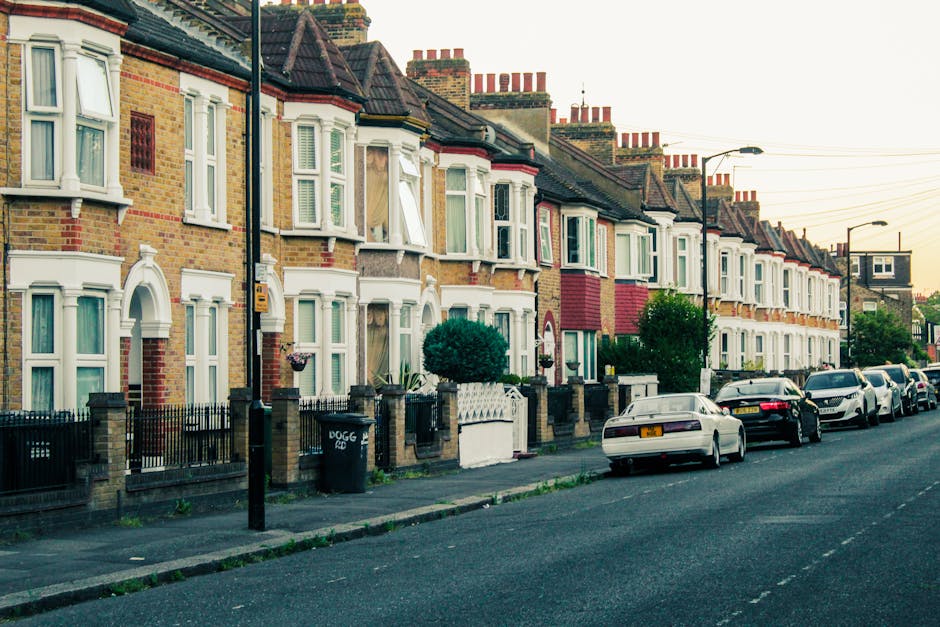
Crouch End is not the sort of area where you can assume every clearance will run the same way. One street may have straightforward kerbside parking and a ground-floor entrance. The next may involve tight turning space, residents-only restrictions, a long internal corridor, or a staircase that makes bulky items awkward from the first minute. That is why a street-by-street plan matters: it turns a vague clearance request into a workable local plan.
In practical terms, the street you are on can influence how many operatives you need, whether a vehicle can park outside, how long loading will take, and whether a lift or stair carry is needed. That affects everything from scheduling to the final quote. If you only think about the contents of the flat, you miss half the picture.
It also matters for neighbours and building managers. A well-planned flat clearance reduces noise, avoids blocking entrances, and keeps hallways clear. In a busy part of Haringey, that calm, organised approach is often the difference between a smooth job and a day full of awkward apologies. Truth be told, most clearance delays are not caused by the items themselves; they are caused by access.
For local residents, landlords, letting agents, executors, and tenants, the appeal is simple: a better plan means fewer surprises. It can also support better reuse and recycling outcomes, especially when you separate furniture, electrical items, and general waste in advance. If you want a service that is built around local needs, it helps to look for providers who understand the area and offer transparent pricing and quotes, along with strong recycling and sustainability practices.
How Crouch End flat clearances: Haringey street-by-street plan Works
A street-by-street clearance plan starts with location intelligence. The point is not to memorise every road in Crouch End; it is to understand the patterns that affect access, parking, and handling. In practice, a good plan usually follows four layers: street conditions, property layout, item profile, and disposal route.
1. Street conditions
First, assess the street itself. Is it narrow? Is there regular passing traffic? Are there parking controls or a loading restriction nearby? Some streets make vehicle positioning simple, while others require a bit of timing and patience. A clearance team will often check whether the truck can park close enough for efficient loading, or whether items will need to be carried a longer distance. That distance matters more than people expect.
2. Property layout
Next comes the building. Flats on upper floors, maisonettes, converted Victorian homes, mansion blocks, and new-build apartments all create different clearance conditions. A small flat packed with heavy wardrobes may be harder to clear than a larger place with light household contents. Lifts, stair width, communal areas, and entry codes all have an impact.
3. Item profile
Then you look at what needs removing. Mixed clearances often include sofas, mattresses, wardrobes, white goods, bags of household waste, books, and broken furniture. The mix affects manpower and disposal planning. For example, bulky furniture may need dismantling. Electrical items need to be separated. Reusable pieces should be identified early, especially if you want to keep costs sensible and reduce waste.
4. Disposal route
Finally, decide where items are going. Some pieces can be reused, some can be recycled, and some have to be treated as general waste. If you are clearing a flat after a tenancy or preparing it for sale, this is often the stage where people realise they need more than just a van. They need a disposal plan, sorting plan, and sometimes a team that can handle specialist items safely.
That is the essence of the street-by-street model. It is less about the marketing phrase and more about operational realism. For larger or more complex jobs, it can sit alongside home clearance, house clearance, or even targeted furniture clearance when only selected items need removing.
Key Benefits and Practical Advantages
The biggest benefit is control. When you plan around the street and building access, you reduce guesswork. That can save time, limit disruption, and make the whole clearance feel far less chaotic.
- Faster turnaround: Better access planning means less loading time and fewer delays.
- More accurate quotes: A realistic view of access conditions helps avoid awkward surprises later.
- Less stress on moving day: You know where the vehicle can stop, who is entering the property, and which items go first.
- Improved recycling outcomes: Separating reusable and recyclable items early gives more room for responsible disposal.
- Better neighbour relations: Clear timing and tidier handling keep shared spaces calmer.
- Safer handling of bulky items: Tight stairways and heavy furniture are easier to manage with a proper plan.
For landlords and agents, there is an added advantage: a planned clearance helps reset the property quickly for cleaning, maintenance, or re-letting. For homeowners and families, it can turn a daunting task into a series of manageable steps. And for probate situations, that structure matters even more, because decisions are often emotional as well as practical.
One overlooked advantage is predictability. If you are comparing providers, the team that asks smart questions about your street, building access, and item types is usually the team most likely to deliver a smoother service. That is a better sign than a vague promise that everything will be fine. Everyone says that. Not everyone means it.
Who This Is For and When It Makes Sense
This type of local planning is useful for a wide range of people, but it is especially valuable when access is not straightforward or the flat contains more than a few simple items.
Common situations where a street-by-street plan helps
- Tenants moving out: You need a clean handover and often a tight deadline.
- Landlords and letting agents: The property may need clearing between occupancies.
- Homeowners downsizing: Furniture and household contents may need sorting, lifting, and disposal.
- Probate clearances: The property may contain a lifetime of belongings that need careful handling.
- Flat sales and refurbishments: Clear access planning supports quicker prep work.
- Overfilled storage areas: Loft, garage, and home contents often spill into the main living space.
It also makes sense when the clearance includes multiple categories of waste. For example, you may have a mix of clothing, paperwork, furniture, broken appliances, and builder's debris from light refurbishment. In that case, combining services can be practical, such as pairing flat clearance with builders waste clearance or a broader home clearance approach.
If you are only removing a few items, the answer may be simpler and cheaper than a full clearance. If, however, the property is awkward to access, the contents are mixed, or the deadline is tight, the street-by-street approach becomes much more valuable.
Step-by-Step Guidance
Here is a practical way to organise the job without overcomplicating it.
- Walk the property first. Make a list of what stays, what goes, and what may need special handling.
- Check street access. Look at parking, turning space, loading points, and any restrictions near the entrance.
- Measure the awkward items. Large wardrobes, sofas, beds, and white goods can determine whether dismantling is needed.
- Separate categories early. Keep recyclables, reuseable furniture, and general waste apart where possible.
- Decide on the disposal route. A team may take items for reuse, recycling, or waste transfer depending on condition and type.
- Book the right service scope. Choose between a full flat clearance, selective furniture removal, or a more comprehensive clearance package.
- Confirm timing and access. Make sure entry codes, keys, concierge arrangements, and parking details are ready in advance.
- Prepare the communal areas. Keep hallways and landings as clear as possible for safe movement.
- Keep a final check list. Do one last sweep for documents, valuables, sentimental items, and items that should not be removed.
For busy homes, a simple room-by-room approach works best. Start with the least-used rooms or the items that are hardest to access. That can free up space quickly and make the rest of the clearance feel lighter. If the flat includes storage-heavy areas, services like loft clearance or garage clearance may be relevant too.
Practical summary: the more difficult the street access and the more mixed the contents, the more valuable a structured plan becomes. A little preparation pays for itself in time, safety, and fewer headaches.
Expert Tips for Better Results
A good clearance is not only about removal. It is about sequencing. Get the order wrong and you create more lifting, more trips, and more risk. Get it right and the whole job feels almost neat, which is rare enough to be satisfying.
Use a front-to-back loading plan
Place the heaviest or bulkiest items nearest the exit route. That reduces the need to carry heavy items over already-cleared spaces. It also helps protect walls, floors, and door frames.
Photograph awkward access points
If a staircase is narrow, the corridor is tight, or the lift is unusually small, photos are genuinely useful. They help a clearance team plan tools, manpower, and handling methods before arrival.
Keep reusable items separate
Anything in decent condition should be identified early. It may reduce waste and may also help with sensible disposal or reuse pathways. If a sofa is structurally sound but dirty, or a table is fine but too large for the new property, that distinction matters.
Plan around the neighbours
In a block of flats, timing matters. Mid-morning on a weekday may be easier than peak commuter hours or school-run traffic. Small timing choices can make shared access less stressful for everyone.
Ask about insurance and handling standards
For heavier or more complex clearances, you want a team that treats safety seriously. It is sensible to review insurance and safety information and confirm that the provider has a clear health and safety policy. That is not overcautious; it is just sensible.
One more tip: if you are clearing a flat that has mixed items and you are not sure what is recyclable, do not guess wildly. A quick clarification before the job starts is better than sorting a pile twice.
Common Mistakes to Avoid
Most clearance problems are avoidable. They usually come from one of four things: poor planning, unclear access information, mixed waste left unsorted, or underestimating how long the job will take.
- Ignoring street restrictions: If the vehicle cannot stop nearby, every item takes longer to move.
- Forgetting communal access: Shared hallways, lifts, and stairwells can slow the job down if they are not considered early.
- Not separating valuables: It sounds obvious, but documents, keys, and sentimental items can get mixed into general clutter.
- Assuming all furniture is easy to move: Flat-pack wardrobes are often the last thing anyone wants to wrestle with after lunch.
- Leaving the booking too late: Tight deadlines create poor choices and rushed decisions.
- Choosing a provider on price alone: A low quote that ignores access issues can become expensive if extra time or labour is needed.
Another common mistake is not thinking about what happens after the clearance. If the flat needs cleaning, minor repairs, or touch-up work, it helps to coordinate the clearance with follow-on tasks. Otherwise, you may end up with a cleared property that still feels half-finished.
And if you have a lot of household debris rather than just furniture, it is worth asking whether a broader house clearance or mixed waste removal service would be a better fit.
Tools, Resources and Recommendations
You do not need specialist equipment to prepare well, but a few practical tools make a real difference.
| Tool or resource | Why it helps | Best used for |
|---|---|---|
| Room-by-room inventory list | Prevents items being missed or removed accidentally | All flat clearances |
| Phone camera photos | Shows access issues, staircases, and large items clearly | Quotes and planning |
| Sticky notes or labels | Makes keep, remove, and recycle piles easier to manage | Sorting before the team arrives |
| Entry and parking details | Reduces arrival delays and access confusion | Flats with restricted access |
| Service pages and policy information | Helps you check standards, scope, and expectations | Choosing a provider |
When comparing providers, look at more than the service headline. A transparent company will usually make it easy to find their about us page, explain terms and conditions, and outline how to contact them through a clear contact page. These are small signals, but they matter.
If your clearance includes furniture in decent condition, you may also want to consider whether furniture clearance is enough, rather than paying for a full property clearance. The right scope can save money and reduce waste.
Law, Compliance, Standards and Best Practice
Clearance work may look straightforward from the outside, but there are important standards behind it. You do not need to become a compliance expert yourself, yet it helps to know what good practice looks like.
First, waste must be handled responsibly. That means using a provider that understands sorting, transportation, and disposal duties. Reputable operators should be able to explain how they deal with reuse, recycling, and residual waste. If sustainability matters to you, check their published approach to recycling and sustainability.
Second, safety matters in shared buildings. Clearances often involve lifting, carrying, and navigating staircases or tight spaces. A provider should use sensible manual-handling practices and protect both the team and the property. That is why insurance, training, and methodical work processes are so important.
Third, if there are special items - such as electrical goods, heavy appliances, or renovation debris - they may need separate handling. A flat clearance team may be able to deal with them, but only if they are told in advance. Not every item should be treated the same way, and good operators will say so plainly.
Finally, if you are clearing a property on behalf of someone else, you should be clear that you have the right to authorise the work. That is especially relevant in probate or landlord situations. Clear communication avoids disputes, and a written quote or agreed scope is usually the safest starting point. For many customers, a provider's published payment and security information is part of that reassurance too.
Options, Methods, or Comparison Table
Different clearance methods suit different situations. If you choose the wrong one, you either overpay or leave yourself doing too much by hand. The table below gives a practical comparison.
| Method | Best for | Strengths | Limitations |
|---|---|---|---|
| Selective flat clearance | Only certain rooms or items need removing | Cost-efficient, targeted, less disruption | Needs clear instructions and item sorting |
| Full flat clearance | Complete emptying of a property | Fast, thorough, ideal for end-of-tenancy or sale prep | More labour-intensive and usually broader in scope |
| Furniture-only removal | Large items are the main issue | Simple, quick, useful when contents are otherwise manageable | Not suitable for mixed waste or clutter-heavy jobs |
| Combined home and waste clearance | Mixed household contents and general waste | Flexible, efficient, handles a wider variety of materials | Requires better planning and item categorisation |
In a Crouch End setting, the most common decision is between a selective clearance and a full flat clearance. If access is tricky and the property contains bulky furniture, the extra structure of a full service can be worth it. If you only need a few key items removed, smaller-scale options often make more sense. There is no prize for choosing the largest service if you do not need it.
Case Study or Real-World Example
Consider a typical Crouch End flat on an upper floor of a converted building. The property has a sofa, bed frame, wardrobe, dining table, several boxes of books, a couple of small appliances, and mixed household clutter. The street is busy at certain times of day, parking is limited, and the staircase is narrow enough that every turn matters.
A rushed approach would be to send a vehicle, hope for the best, and deal with access as it comes. That usually leads to delays. A better approach is to do the following:
- Confirm the best arrival time to avoid traffic pressure.
- Check whether a loading space is available close to the entrance.
- Identify which furniture must be dismantled before removal.
- Separate books, electricals, and reusable items before the team arrives.
- Decide whether the job needs a full flat clearance or only a partial one.
In a case like this, the street-by-street plan prevents the main problem: wasted motion. If the team knows in advance that the route from the flat to the vehicle is awkward, they can bring the right equipment and schedule enough labour to finish efficiently. That means fewer trips up and down the stairs, less chance of damage, and a smoother handover at the end.
It is a simple example, but it mirrors what happens across Haringey far more often than people think. The local street shapes the job as much as the contents do.
Practical Checklist
Use this checklist before the clearance starts.
- Confirm the full address and floor level.
- Check parking, access, and loading options on the street.
- Note any staircases, lifts, or narrow corridors.
- List large, heavy, or fragile items separately.
- Remove valuables, personal papers, keys, and sentimental items.
- Decide what stays, what goes, and what may be recycled.
- Tell the provider about appliances, builders waste, or mixed materials.
- Ask about insurance, safety, and waste handling standards.
- Review the quote carefully and confirm the scope.
- Make sure access arrangements are ready on the day.
If you want to keep the process tidy, assign one person to make decisions. Too many cooks do not just spoil the soup; they also slow down a clearance.
Conclusion
A successful flat clearance in Crouch End is rarely about brute force. It is about good local planning, clear access information, and choosing the right service for the property and the street. That is why a Haringey street-by-street plan works so well: it focuses attention on the real-world details that decide whether the job feels straightforward or stressful.
Whether you are clearing a flat for sale, handling a tenancy change, or helping a family member empty a property, the same principles apply. Check the access, sort the items, choose the right service scope, and work with a provider that understands local conditions and responsible disposal. If you do that, the rest becomes much easier.
Get a free quote today and see how much you can save.
Frequently Asked Questions
What does a street-by-street flat clearance plan actually mean?
It means planning the clearance around the street access, parking, building entry, and loading conditions rather than only the items inside the flat. In a place like Crouch End, that practical detail can make a big difference to timing and cost.
Why is Crouch End different from a standard flat clearance area?
Crouch End often involves a mix of terraced streets, converted buildings, and tighter parking conditions. That means access planning is more important than it might be in an area with easier roadside loading.
Can I book a flat clearance if there is no parking right outside?
Yes, but the team needs to know in advance. If the vehicle has to park further away, the job may take longer and may need additional labour, so it is best to mention this early.
Is a full flat clearance better than removing just the furniture?
Not always. A full clearance is useful when the property needs emptying completely, but if you only have a few bulky items, furniture-only removal may be simpler and more cost-effective.
How do I know whether my items can be recycled or reused?
Condition is the main factor. Reusable furniture in decent shape may be suitable for reuse, while broken or contaminated items may need a different disposal route. A good provider should explain the likely options clearly.
What if the flat has a narrow staircase or small lift?
That should be mentioned when you request a quote. Narrow access affects handling, labour, and timing. Photos are often very helpful for planning.
Do I need to be present during the clearance?
It depends on access arrangements and how much decision-making is needed. Some customers stay on site, while others leave clear instructions and provide access in advance. The safest option is usually whatever allows communication to stay clear.
How should I prepare a flat for clearance day?
Separate valuables, decide what is staying, and make access easy. If possible, group similar items together so the team can work more efficiently when they arrive.
What should I ask before booking a clearance company?
Ask about pricing, access assumptions, insurance, waste handling, and whether they can deal with your specific item types. It is also sensible to check their service information and policies before confirming.
Can a clearance team remove mattresses, sofas, and appliances?
Usually yes, provided they know what is involved and the service scope covers those items. Some appliances or damaged items may need special handling, so always mention them in advance.
How can I keep the clearance affordable?
Give accurate information, separate what can be kept or reused, and avoid last-minute changes. Choosing the right service level matters too; you do not want to pay for a full clearance if selective removal is enough.
What is the most common mistake people make with flat clearances?
Underestimating access. People often focus on the contents and forget the street, building layout, and loading conditions. In practice, those are usually the factors that shape the whole job.
Where can I learn more about the company and its standards?
You can review the company's service pages and trust information, including about us, insurance and safety, and recycling and sustainability. Those pages help you understand how the service is run.