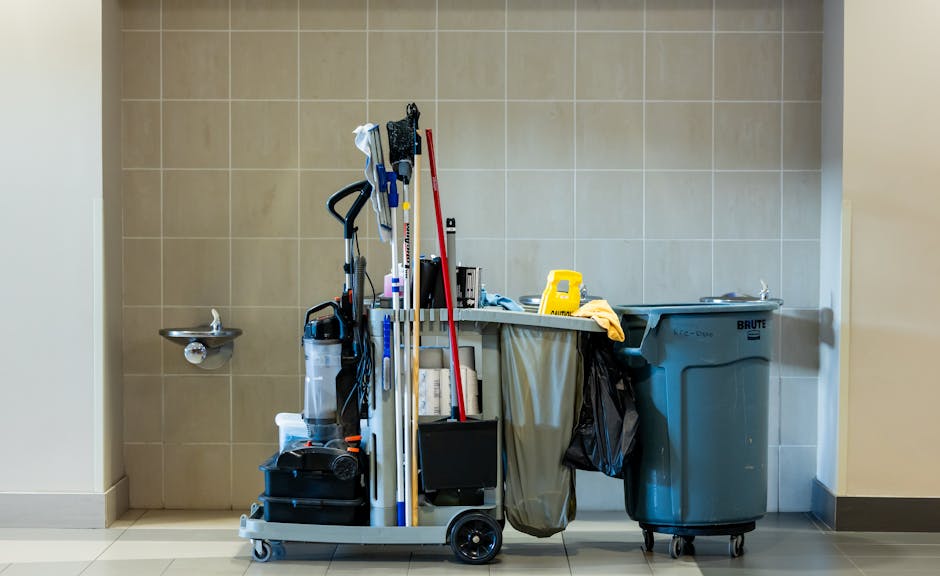
Business duty of care: commercial waste in Haringey

If you run a business in Haringey, waste is not just something to get rid of and forget about. Under Business duty of care: commercial waste in Haringey, you need to make sure your waste is stored, transferred, and handled responsibly from the moment it leaves your premises. That matters whether you manage an office in Hornsey, a shop near Wood Green, a cafe on a busy high street, or a workspace that seems to collect boxes, packaging, and old equipment faster than you can clear them. Truth be told, it is one of those behind-the-scenes duties that can cause real problems if you ignore it.
This guide explains what duty of care means in plain English, how it works in everyday practice, what good compliance looks like, and how to avoid the costly slip-ups businesses often make. You will also find a practical checklist, a comparison table, and a realistic example to help you make sensible decisions without the usual jargon.
Why Business duty of care: commercial waste in Haringey Matters
Business duty of care is the simple idea that your organisation remains responsible for its commercial waste until that waste is correctly passed on and handled. That includes office rubbish, packaging, broken furniture, confidential paperwork, refurbishment debris, and all the awkward bits that build up in stores, back rooms, and staff areas. In Haringey, where many businesses work in compact spaces and shared buildings, poor waste handling can become visible very quickly. One overflowing bin on a pavement can create complaints, attract attention, and make a professional premises look neglected. Nobody wants that, especially not first thing on a damp Monday morning.
The main reason it matters is risk. Poor waste management can lead to fly-tipping, contamination, missed collections, pest issues, health and safety concerns, and avoidable reputational damage. There is also the issue of accountability. If your waste ends up in the wrong place, the question is not always who physically moved it last. The deeper question is whether you took reasonable steps to ensure it was passed to a legitimate carrier and dealt with properly.
For local businesses, this is also a trust issue. Customers notice tidy premises. Landlords notice orderly exits. Staff notice whether systems make sense or feel improvised. A clear waste process gives the impression that the business is well run. That may sound small, but small signals stack up.
Expert summary: the safest approach is to treat waste as a managed business asset until it has been properly collected, documented, and transferred to an appropriate handler. If that sounds boring, fair enough. But boring is often what keeps things compliant.
How Business duty of care: commercial waste in Haringey Works
In practice, duty of care works as a chain of responsibility. You produce or hold waste. You separate it where needed. You store it safely. You arrange collection or transfer. Then you keep enough information to show that you did the right thing. That chain should be clear even if several people touch the process along the way.
A useful way to think about it is this: waste should never become "someone else's problem" without the proper handover. If your cleaner, office manager, facilities lead, or site supervisor puts waste out for collection, they still need to know who is taking it, what type of waste it is, and where it is going. The details matter more than people expect. Mixed waste, confidential waste, reusable office items, and heavier commercial loads can all need different handling.
Commercial waste is broader than many businesses realise. It can include day-to-day rubbish, packaging from deliveries, food waste from staff kitchens, broken desks, shelving, display units, archived paper, and renovation waste from refits or moves. If you are doing a clear-out, you may also need linked services such as office clearance, business waste removal, or even general waste removal depending on what needs shifting.
There is also a practical side that people often overlook: storage. If waste is piled beside exits, stacked in corridors, or left open to weather and pests, you are creating a problem before the collection van even arrives. In a tight Haringey yard or service area, that can become messy very quickly. You can almost smell the issue before you see it.
Key Benefits and Practical Advantages
Doing duty of care properly is not only about staying out of trouble. Done well, it makes daily operations smoother, calmer, and more predictable.
- Lower compliance risk: You reduce the chance of unlawful disposal, poor traceability, or avoidable disputes about who handled the waste.
- Cleaner premises: Managed waste areas are easier to keep tidy, which helps staff morale and customer experience.
- Better use of space: Many Haringey businesses work in limited square footage, so removing waste promptly frees up valuable room.
- Stronger supplier control: A proper process helps you assess carriers, compare services, and avoid unreliable collection arrangements.
- Improved recycling outcomes: Sorting waste correctly often opens the door to better recycling and less material going to general disposal.
- Fewer operational surprises: A structured approach makes it easier to plan around collections, staff changes, and seasonal peaks.
There is a less obvious benefit too. Teams tend to respect systems that feel sensible. If staff know where to put items, what gets separated, and who to speak to, they are more likely to keep things orderly. That saves time. A bit of mess is normal. Persistent mess usually means the process is broken somewhere.
Who This Is For and When It Makes Sense
This topic applies to almost every business that generates waste in Haringey. That includes offices, retail shops, restaurants, cafes, salons, landlords, schools, clinics, studios, trades, and property managers. It also matters for smaller operations that only generate occasional waste. In some ways, the smaller the business, the easier it is to assume waste management can be handled casually. That is where mistakes creep in.
You should pay especially close attention if you:
- dispose of furniture, shelving, fixtures, or IT equipment
- generate mixed commercial waste rather than a single waste type
- share a building or rear service yard with other occupiers
- store waste outside overnight
- regularly clear out offices, stock rooms, or refurb spaces
- use different people to book collections and place waste out for pickup
- need a one-off clear-out alongside routine waste collections
For businesses that are relocating or refurbishing, waste can spike sharply over a short period. That is often when duty of care gets overlooked, because everyone is focused on the move itself. A sensible way to manage that is to combine routine waste handling with a planned clearance approach, such as office clearance for interiors and builders waste clearance for strip-out or fit-out debris.
Some businesses only need help occasionally. Others need a repeat system with collection schedules, waste notes, and staff instructions. Either way, the logic is the same: know what you have, know who is taking it, and keep the handover clean.
Step-by-Step Guidance
If you want to get this right without overcomplicating things, follow a straightforward process.
- Identify every waste stream. Separate general waste, recyclables, confidential paper, bulky items, and anything hazardous or specialist. If you are unsure about a stream, pause and check before mixing it in.
- Store waste safely. Use appropriate bins, closed containers, or designated holding areas. Keep access routes clear. If bins are outside, make sure lids shut properly and waste cannot blow about on a windy day.
- Choose the right handler. Use a provider that is suitable for the waste type and the scale of the job. For one-off or mixed clearances, a service such as business waste removal may be more practical than trying to manage separate ad hoc arrangements.
- Check what gets collected. Confirm whether the collection covers bulky furniture, broken office equipment, packaging, or mixed materials. Never assume. Assumptions are where the awkward phone calls begin.
- Keep transfer details. Make sure you retain the relevant waste transfer information or collection record provided as part of the service process. Store it somewhere the business can actually find later.
- Review the process regularly. Waste needs change. A growing team, a new fit-out, a seasonal stock increase, or a change in supplier can all affect your waste profile.
A practical tip: walk your waste route from the point of disposal to the collection point. It takes five minutes and shows you where people leave cartons, where bins bottleneck, or where someone has to carry waste across a public path. Those little route problems are often the cause of bigger headaches.
Expert Tips for Better Results
There are a few habits that consistently make business waste management easier in real life.
First, assign one person to own the process. Not because they have to do everything, but because someone must know what "good" looks like. If responsibility is too vague, waste systems drift. It happens all the time.
Second, label containers clearly. Mixed bins are convenient until they are not. A simple sign for cardboard, general waste, confidential paper, or reusable materials can cut down mistakes straight away.
Third, plan for the ugly jobs. Old desks, damaged chairs, carpet offcuts, and dead printers rarely vanish quietly. A planned clearance is usually cheaper, calmer, and safer than a last-minute rush. For bulky non-office items, related services like furniture disposal or furniture clearance may fit the job better.
Fourth, keep collections visible to your team. If staff can see how the system works, they are more likely to use it properly. It sounds basic, and it is, but basics are underrated.
Fifth, don't treat recycling as an afterthought. If materials are separated from the start, you usually gain more control and less contamination. The recycling and sustainability approach on the site is a useful reminder that waste reduction and responsible disposal should sit together, not in separate boxes.
And one more thing. Keep your process simple enough that people can follow it on a busy Friday afternoon when nobody has the patience for a five-page procedure. That is the real test.
Common Mistakes to Avoid
Most waste compliance problems are surprisingly ordinary. They usually start with one small shortcut that gets repeated until it becomes normal.
- Assuming the collector will handle everything correctly: You still need to know who they are and what they are taking.
- Mixing waste streams unnecessarily: Once materials are mixed, recycling opportunities shrink and compliance gets harder to prove.
- Leaving waste in public view for too long: This can create clutter, pest concerns, and the impression of poor management.
- Ignoring bulky waste: Old desks, packaging cages, or renovation debris can pile up fast and quietly take over storage areas.
- Not keeping records: If you cannot show a clean transfer trail, you are relying on memory, which is not a great system for business operations.
- Forgetting shared-site arrangements: In multi-occupancy buildings, one tenant's waste can become everyone's problem very quickly.
One of the most common mistakes is waiting until the bin area looks unbearable before acting. By then the job is bigger, the pressure is higher, and the solution costs more. To be fair, we have all seen it. A tidy start beats a heroic rescue every time.
Tools, Resources and Recommendations
You do not need a complicated tech stack to manage duty of care well. In most cases, a few simple tools are enough.
- Waste register: A basic log of waste types, collection dates, and handlers can save a lot of time later.
- Site map or bin plan: Handy for businesses with several floors, back entrances, or shared loading areas.
- Staff checklist: Useful for training cleaners, reception teams, store staff, or facilities staff on what goes where.
- Clear labelling: Better labels mean fewer mistakes. Simple really.
- Regular review notes: A monthly or quarterly review helps you spot waste build-up, contamination, or collection gaps before they escalate.
If your business is dealing with occasional large items, it can help to match the service to the waste type rather than defaulting to one generic solution. For example, office interiors, storage rooms, and legacy stock may need one approach, while trade and refurbishment waste may need another. You can also look at office clearance for interior decluttering and builders waste clearance for renovation-related debris.
For business owners who prefer a clear first step, the pricing and quotes page is a sensible place to compare options before booking anything. And if your business wants to understand the company itself before going ahead, the about us page is useful background.
Law, Compliance, Standards, or Best Practice
Business duty of care sits within UK waste responsibilities and best practice for commercial waste handling. The exact legal duties can depend on the type of waste, how much you produce, and how it is transferred, so it is wise to treat compliance carefully rather than casually. In plain terms, you should be able to show that you took reasonable steps to use an appropriate waste carrier, that waste was handled correctly, and that records were kept where needed.
The safest mindset is to think in terms of accountability. If you produce the waste, you are not automatically off the hook once it leaves the premises. That is why reliable transfer paperwork, clear collection arrangements, and sensible segregation are so important. If waste is hazardous, contaminated, or sensitive, the bar is even higher.
Best practice usually includes:
- choosing a legitimate, suitable waste service
- keeping your waste streams separate where practical
- training staff on basic disposal rules
- storing waste securely before collection
- retaining records and transfer details
- reviewing arrangements when your business changes
It also helps to align waste handling with your wider policies. A business that already cares about health and safety, insurance and safety, or responsible supplier behaviour usually finds waste compliance easier to maintain. The systems support each other. That is the trick, really.
Options, Methods, or Comparison Table
Different businesses need different waste handling methods. The right choice depends on volume, item type, urgency, and how much control you want over the process.
| Method | Best for | Strengths | Watch-outs |
|---|---|---|---|
| Routine commercial waste collections | Regular day-to-day business waste | Predictable, simple, easy to schedule | Can be less flexible for bulky or mixed waste |
| Ad hoc business waste removal | Occasional surges, clear-outs, seasonal buildup | Flexible and often faster to arrange | Needs clearer planning to avoid overfilling storage areas |
| Office clearance | Desks, chairs, paperwork, fixtures, end-of-lease jobs | Efficient for larger interior clear-outs | Must be planned around access and item separation |
| Builders waste clearance | Fit-outs, strip-outs, refurbishments | Suited to heavier, messier debris | Can require tighter site coordination |
| General waste removal | Mixed non-specialist waste | Versatile and convenient | Not always ideal for recycling-focused jobs |
If you are unsure which route fits, ask yourself a simple question: are you clearing a recurring waste problem, or dealing with a specific one-off event? That one question often cuts through all the noise.
Case Study or Real-World Example
Imagine a small design studio in Haringey that is downsizing after a lease change. The office has a mix of broken chairs, old shelving, archive boxes, cable offcuts, empty packaging, and a few pieces of equipment nobody wants to argue over. Nothing dramatic. Just a slow-growing mess that has finally become a real issue.
In the old approach, staff would have tried to throw items into normal bins, leave a few things in the hallway "for later," and hope a miracle happened. Usually that means the clutter just sits there, collecting dust and one slightly embarrassing excuse after another.
In the better approach, the studio separates paper, reusables, and bulky items, then arranges a planned office clearance alongside a suitable business waste removal collection. Someone is assigned to confirm what is going, what is staying, and where the handover point is. The loading route is checked in advance. The records are kept. The end result is less disruption, fewer last-minute decisions, and a tidier exit from the building.
That kind of scenario is common. Not glamorous, not dramatic, just real. And when handled well, it removes a surprising amount of stress from the business move or clear-out.
Practical Checklist
Use this checklist before any collection or waste handover.
- Have you identified all waste types clearly?
- Are waste containers suitable, labelled, and not overflowing?
- Is the storage area secure, tidy, and accessible for collection?
- Do you know exactly what the collector is taking?
- Have bulky items, office furniture, or mixed materials been separated where possible?
- Do staff know where items should go before collection day?
- Are records or transfer details being kept in one place?
- Have you checked any special handling needs for confidential or sensitive waste?
- Is the collection timing suitable for the business schedule and building access?
- Have you reviewed whether the current arrangement still fits your workload?
If you can tick most of those boxes, you are in decent shape. If not, that is fine too. Better to spot it now than after the bins are wedged shut and the service corridor smells like regret.
Get a free quote today and see how much you can save.
Conclusion
Business duty of care for commercial waste in Haringey is not about making life complicated. It is about keeping control of a routine business task that can become messy when nobody owns it properly. Once you understand the basics, the process is straightforward: separate waste, store it safely, choose the right collection route, and keep the paperwork or records in order.
The businesses that handle this best tend to do a few small things well, consistently. They plan ahead. They keep things visible. They do not wait for the back room to become unusable. And they treat waste as part of the wider running of the business, not as an afterthought.
If you are reviewing your current setup, start small. Look at the bins, the access route, and the records. That alone will usually show you where the gaps are. And once those gaps are closed, the whole place feels easier to run. A bit calmer, a bit cleaner, a lot more manageable.
That is usually the point, after all.
Frequently Asked Questions
What does business duty of care mean for commercial waste?
It means your business stays responsible for its commercial waste until it has been properly handed over to an appropriate waste handler and managed correctly. You should know what the waste is, who is taking it, and how it is being dealt with.
Do small businesses in Haringey need to follow duty of care rules too?
Yes. Duty of care applies to businesses of all sizes. A small office, shop, cafe, or studio can still create commercial waste and should still manage it responsibly.
What records should a business keep for commercial waste?
Keep the relevant collection or transfer information provided as part of the waste process, along with enough notes to show what was collected, when, and by whom. A simple log is often enough for day-to-day use.
Can I put business waste in normal household bins?
No, not as a general rule. Commercial waste should be handled through proper business waste arrangements. Using domestic bins for business rubbish can cause problems and is usually not the right approach.
What is the difference between waste removal and office clearance?
Waste removal usually covers general commercial waste and mixed items, while office clearance is more focused on clearing office interiors such as desks, chairs, storage, paperwork, and fitted items.
How often should a business review its waste process?
At least periodically, and definitely after changes such as a move, refurbishment, staff increase, or a rise in waste volume. A quick review every so often prevents small issues from becoming big ones.
What are the biggest duty of care mistakes businesses make?
The most common mistakes are failing to check who is collecting the waste, mixing waste streams unnecessarily, leaving waste poorly stored, and not keeping records. They sound simple, but they cause a lot of trouble.
Is recycling part of business duty of care?
It can be, in the sense that responsible handling includes separating recyclable materials where practical and using a process that supports proper recycling rather than sending everything into general waste.
What should I do with bulky office furniture?
Bulky items such as desks, chairs, and shelving should be removed through an appropriate clearance route rather than left in storage areas. Depending on the job, furniture disposal or furniture clearance may be useful options.
How do I know if my waste arrangement is good enough?
Ask whether your system is clear, safe, traceable, and easy for staff to follow. If the answer is yes, you are likely in a better place than many businesses. If not, it probably needs tightening up.
Where should I start if my business waste system is messy right now?
Start with the basics: identify the waste types, clear the storage area, decide who owns the process, and book the right collection support. If the clutter has spread across the premises, a proper clearance may be the cleanest way to reset things.
Can one-off clear-outs still fall under duty of care?
Absolutely. One-off clear-outs still produce commercial waste, and the same responsibility applies. In fact, one-off jobs are often where businesses make rushed decisions, so a bit of planning matters even more.